

[ad_1]
All over a third of human-produced greenhouse fuel emissions arrives from the global food stuff system, and lost or squandered food items is recognized to contribute some amount—but it has in no way been obvious to just what degree. Now, by next unique food items via their total everyday living cycle, researchers have determined just how considerably this squandered food provides to emissions by means of phases these types of as harvest, transportation and disposal.
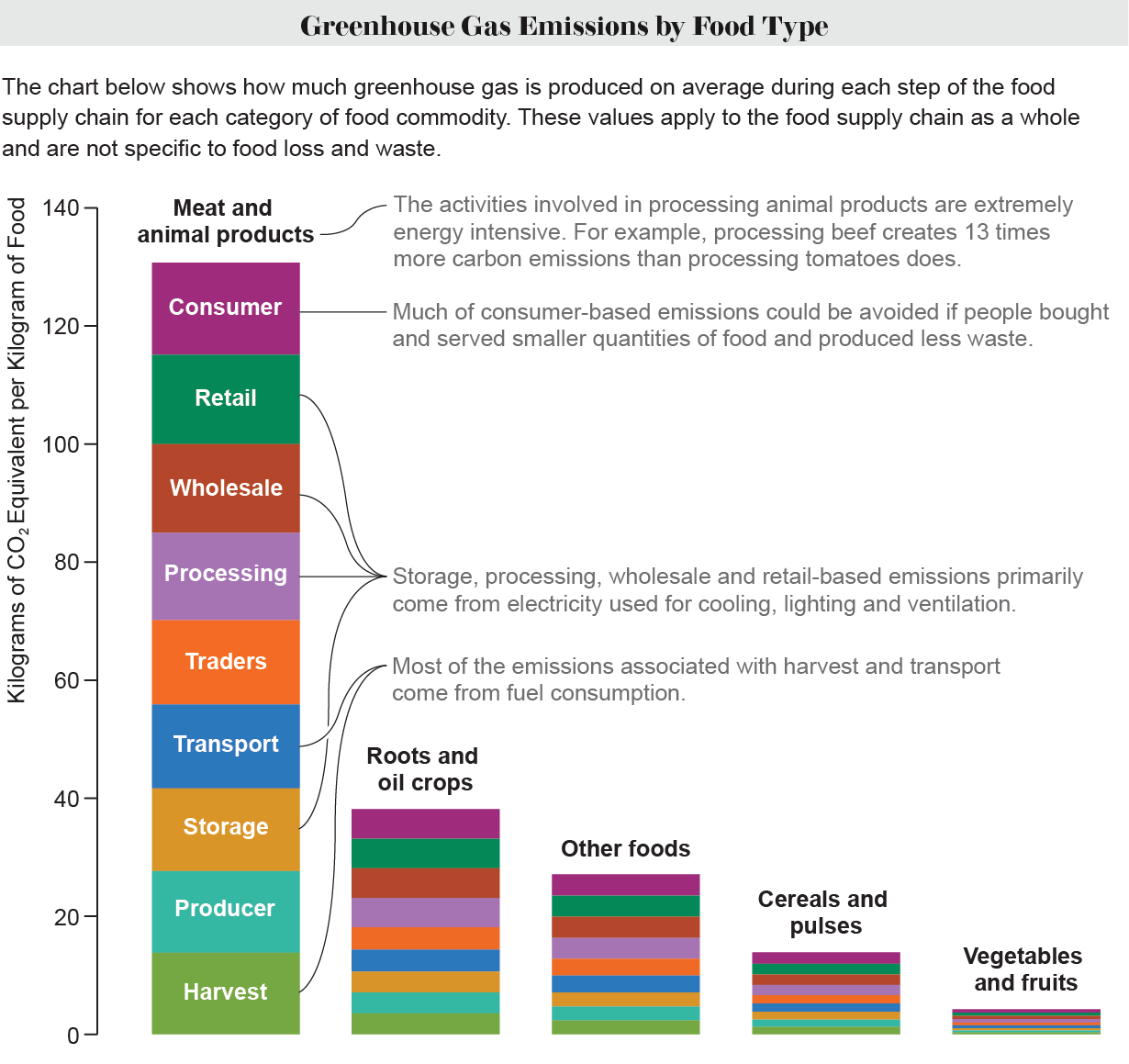
For a analyze in Character Foodstuff, Xunchang Fei of Singapore’s Nanyang Technological University and his colleagues used 164 countries’ food items offer knowledge from 2001 to 2017 to estimate emissions throughout 54 foods commodities and 4 classes: cereals and pulses meat and animal items veggies and fruits and root and oil crops.
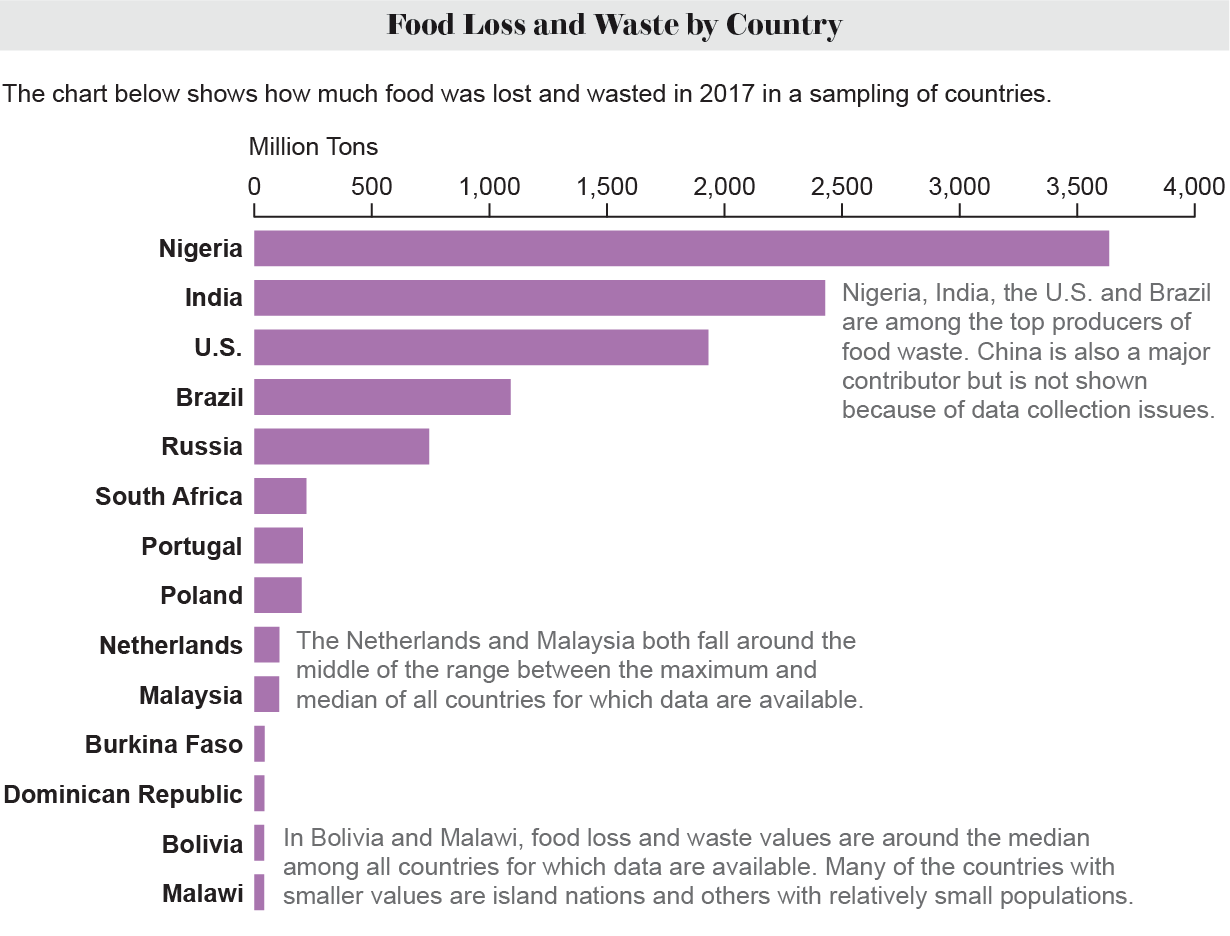


Around a third of foods is missing through harvest, storage and transportation or is squandered by buyers. The group discovered this foods was accountable for greenhouse gases equivalent to 9.3 billion metric tons of carbon dioxide—about half the world food system’s overall emissions—in 2017. 4 countries (China, the U.S., India and Brazil) contributed 44.3 p.c, primarily owing to their nutritional habits and huge populations. Of the four foods types, meat and animal goods had been the resource of practically three quarters of emissions that transpired through the supply-chain stage for foods that was finally misplaced.
The examine viewed as emissions across 9 postfarming levels, which differ among regions—for instance, created countries’ sophisticated squander-procedure technologies can generate much less emissions. These types of intricate particulars clearly show how “different countries should set diverse targets for [food loss and waste] reductions,” Fei says—such as decreasing meat production in some regions, and switching from landfills to anaerobic digestion or composting procedures in others.


Food systems specialist Prajal Pradhan of the Potsdam Institute for Local weather Impression Investigation in Germany notes that the United Nations Sustainable Advancement Objectives intention to halve food waste in the coming years—which Pradhan states would not be adequate to limit world warming but would be a start out. Primarily based on this analyze, he says, emissions could lower if “high-earnings nations around the world could concentration on saving meals discarded by people, and very low- and center-cash flow international locations could prioritize averting food items loss throughout harvesting, processing, storage and transportation.”
[ad_2]
Resource website link